Keep Your Skin Hydrated – A Simple Guide for Healthy, Glowing Skin
Why Skin Hydration Matters
Keep Your Skin Hydrated with These Dermatologist-Approved Tips. Keeping your skin hydrated is the foundation of healthy, glowing, and youthful-looking skin. Many people think hydration is only about drinking more water, but real hydration is a combination of good products, the right lifestyle habits, and a consistent skincare routine. When your skin has enough moisture, it becomes soft, plump, smooth, and naturally radiant. But when hydration is lacking, your skin can feel tight, itchy, dull, and more prone to irritation and breakouts.
Hydrated skin works better. It repairs itself faster, absorbs skincare products more effectively, and maintains a healthy barrier that protects you from pollution, bacteria, and harsh weather. Whether your skin is oily, dry, sensitive, or combination, hydration is essential for proper balance.
Start With a Gentle Cleanser
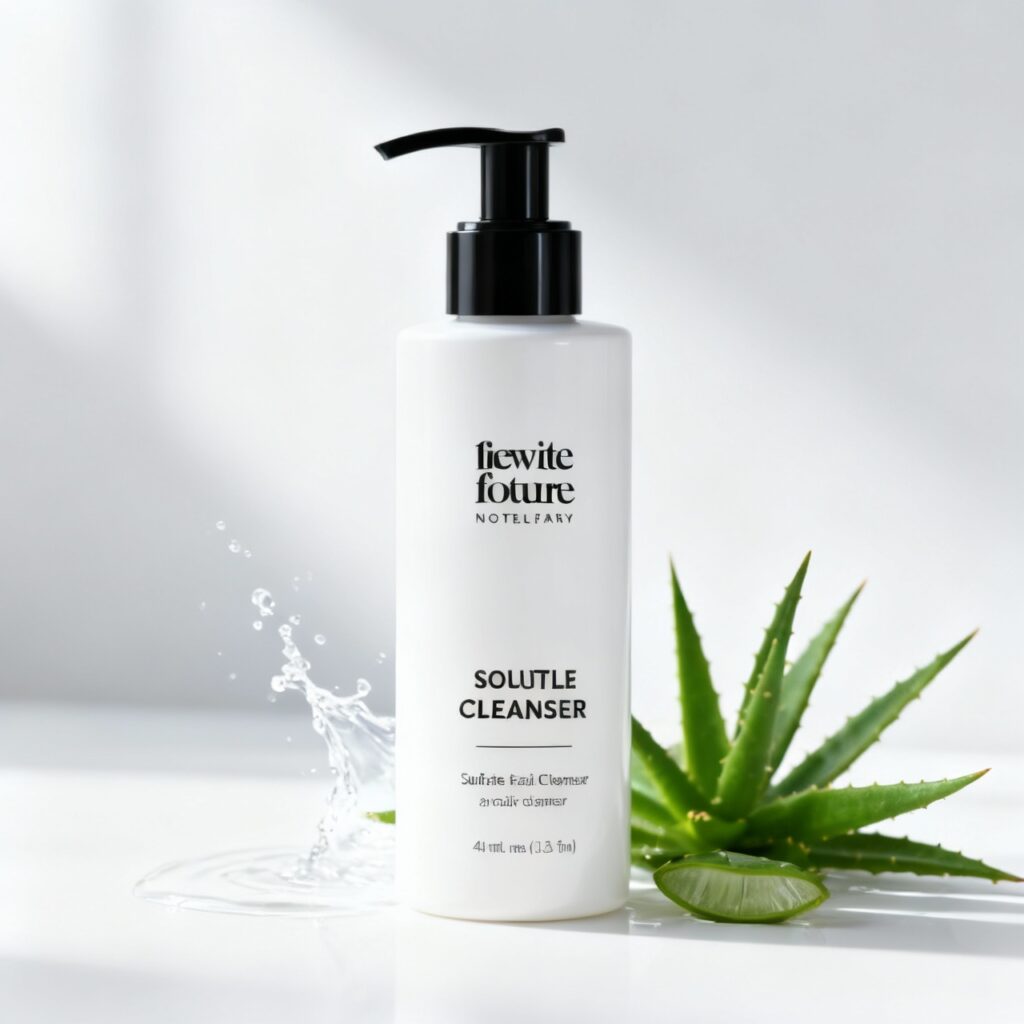
Your routine should begin with a gentle cleanser that doesn’t strip away natural oils. Harsh cleansers can make your skin feel dry and uncomfortable, which leads to more dehydration throughout the day. Look for a sulfate-free cleanser with ingredients like glycerin or aloe vera that cleanse without removing moisture. When your cleansing step is gentle, every next product performs better.
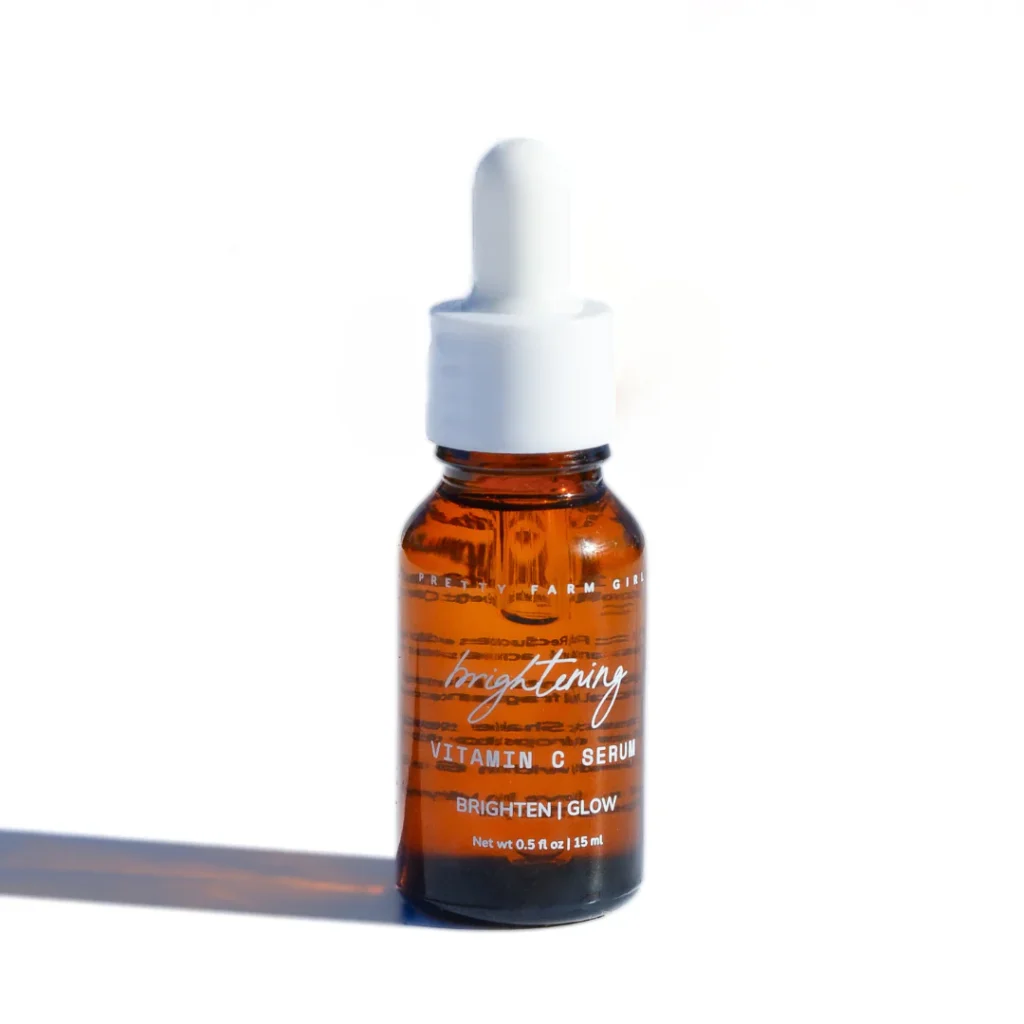
A lightweight, fast-absorbing serum that provides intense hydration, plumps the skin, and reduces the look of fine lines. Perfect for daily use.
A water-based moisturizer that delivers 24-hour hydration without feeling heavy. Strengthens the skin barrier and suits all skin types.
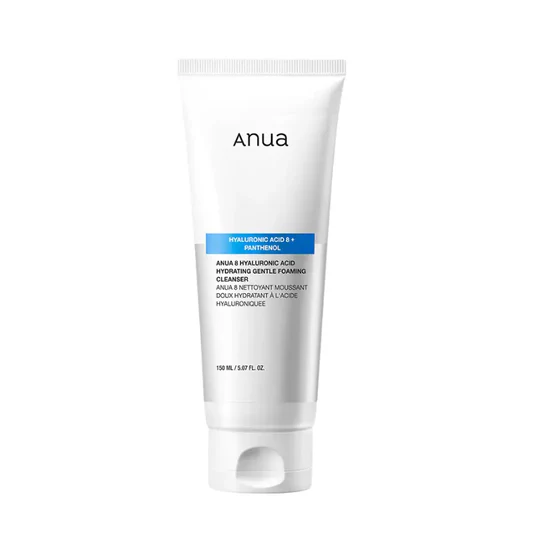
A sulfate-free cleanser that gently removes impurities without stripping natural oils. Leaves skin feeling soft, clean, and hydrated.
A nourishing sleeping mask that works overnight to deeply moisturize and repair skin. Wake up to refreshed, glowing skin.
Use a Hydrating Toner
A hydrating toner is one of the easiest ways to add instant moisture to your skin.
Look for these hydrating ingredients:
Hyaluronic acid
Rose water
Aloe vera
Snail mucin
Glycerin
A good toner brings back lost moisture after cleansing, balances your skin’s pH, and prepares it to absorb serums and moisturizers more effectively. For dehydrated or sensitive skin, this step can make a huge difference.
Apply a Serum That Locks in Hydration
Serums are powerful because they contain concentrated ingredients. A hydrating serum helps your skin retain moisture throughout the day. Choose a serum that includes:
Hyaluronic acid
Niacinamide
Panthenol (Vitamin B5)
Peptides
These ingredients hold water inside the skin, strengthen the skin barrier, and reduce redness or irritation. Using a serum consistently improves your skin texture and helps your moisturizer work even better.
Don’t Skip Sunscreen
Sun exposure dries out the skin and causes long-term damage.
A hydrating sunscreen with SPF 30 or higher protects your skin and maintains moisture levels.
Use it every day, even indoors, because UV rays can pass through windows.
Choose the Right Moisturizer
Moisturizer is the heart of any hydration routine.
Choose according to your skin type:
Oily skin: lightweight gel moisturizer
Dry skin: thick cream moisturizer
Combination skin: gel-cream formula
Look for hydrating ingredients such as ceramides, hyaluronic acid, niacinamide, and squalane.
Apply moisturizer while your skin is slightly damp — this locks in hydration more effectively.
Best Hydrating Ingredients
Hyaluronic acid helps your skin hold water.
Glycerin pulls moisture from the air into your skin.
Aloe vera soothes and moisturizes.
Ceramides strengthen your skin barrier.
Squalane keeps your skin soft without feeling greasy.
Hydration From Inside Your Body
Your lifestyle greatly affects your skin’s hydration.
Drink enough water
Eat water-rich foods like cucumber, oranges, watermelon, leafy greens
Reduce caffeine and sugary drinks
Sleep well so your skin can repair overnight
These habits nourish your skin from within.
Hydration for Different Skin Types
Humidity also affects hydration.
If you live in a dry area or spend time in air-conditioned rooms, use a humidifier.
It adds moisture to the air and keeps your skin from drying out.
Even keeping a bowl of water in your room can help.
Final Thoughts
Keeping your skin hydrated doesn’t require a complicated routine. Focus on gentle cleansing, consistent moisturizing, and using products with hydrating ingredients. When your skin is properly hydrated, it looks healthier, feels smoother, and stays naturally glowing.
Lorem ipsum dolor sit amet, consectetur adipiscing elit. Ut elit tellus, luctus nec ullamcorper mattis, pulvinar dapibus leo.