Diet and Acne: The Impact of Your Dietary Choices on Skin Health
Acne is a prevalent skin issue that affects both teenagers and adults. Although skincare products are significant, many individuals neglect a crucial element: their diet. The foods you consume daily can have a direct effect on the health of your skin. Both research and personal experiences indicate a robust link between diet and acne, highlighting the importance of nutrition in managing acne.
The Relationship Between Diet and Acne
Your body responds to food by producing hormones, enzymes, and inflammatory reactions. A diet that is high in sugar, refined carbohydrates, or unhealthy fats can elevate oil production and inflammation in the skin. This results in clogged pores, bacterial proliferation, and ultimately, acne outbreaks.
Conversely, a well-balanced diet that is abundant in vitamins, minerals, and antioxidants aids in hormone regulation, diminishes inflammation, and promotes skin healing. Therefore, enhancing your diet can lead to a notable improvement in acne over time.
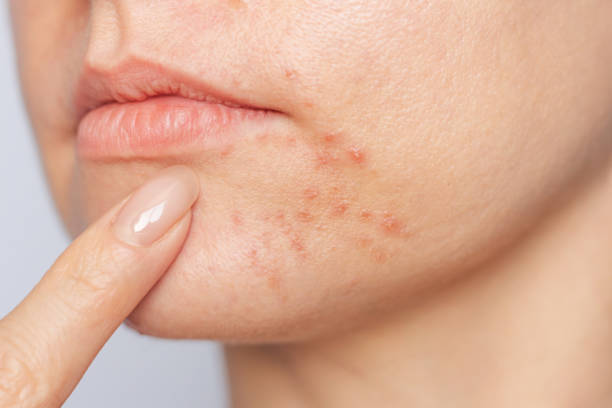
Foods That Could Potentially Induce Acne
1. Foods High in Sugar
Foods that possess a high glycemic index lead to swift increases in blood sugar levels. This elevation in insulin can activate oil glands, exacerbating acne.
Examples include:
Sweets and candies
Soft drinks
Cakes and pastries
Sugary cereals
Fast Food and Fried Items
Fast food typically contains elevated levels of unhealthy fats and refined carbohydrates. Consuming these foods may lead to increased inflammation and increased oil production in the skin.
Examples:
Burgers
French fries
Fried chicken
Pizza
Dairy Products
Certain studies indicate that milk and various dairy products might exacerbate acne in specific individuals. Dairy consumption can influence hormone levels, potentially leading to breakouts, particularly on the face and jawline.
Foods That Aid in Enhancing Acne Conditions
1. Fruits and Vegetables
Fresh fruits and vegetables are abundant in antioxidants, vitamins, and fiber. They assist in combating inflammation and promote overall skin wellness.
Optimal choices consist of:
Berries
Oranges
Spinach
Carrots
Broccoli
Omega-3 Fatty Acids
Omega-3 fatty acids reduce inflammation in the body, which can help calm acne-prone skin.
Sources include:
Fatty fish (salmon, sardines)
Walnuts
Chia seeds
Flaxseeds
Whole Grains
Whole grains have a lower glycemic index and help maintain stable blood sugar levels.
Examples:
Brown rice
Oats
Quinoa
Whole wheat bread
Water
Drinking enough water helps flush toxins from the body and keeps the skin hydrated, which can reduce breakouts.
Nutrition Advice for Skin Prone to Acne
. Make sure to maintain proper hydration by consuming a minimum of eight glasses of water each day.
Minimize the intake of foods that are high in added sugars and heavily processed components.
Opt for freshly cooked meals at home instead of depending on fast food or junk food.
Incorporate fruits and vegetables into every meal to enhance skin health.
Limit or eliminate dairy products if you find they contribute to acne flare-ups.
Include green tea in your daily regimen as it aids in reducing inflammation and promotes skin wellness.
Common Misconceptions Regarding Diet and Acne
Misconception: Chocolate invariably leads to acne
Reality: Typically, it is the sugar and dairy components, rather than the chocolate itself, that are responsible for skin breakouts.
Myth: Acne is exclusive to oily skin.
Fact: Acne can impact individuals with dry, normal, and combination skin types, particularly when influenced by diet and hormonal changes.
Is it Possible for Diet Alone to Cure Acne?
While diet alone may not fully resolve acne, particularly in severe or hormonal instances, maintaining a nutritious diet can greatly diminish breakouts and enhance skin texture when paired with:
A proper skincare routine
Good hygiene habits
Stress management
Adequate sleep
For persistent or severe acne, consulting a dermatologist is always recommended.
Concluding Remarks on Diet and Acne
The connection between diet and acne is significant and warrants attention. Although skincare products address acne externally, dietary choices influence the body internally by regulating hormones, minimizing inflammation, and aiding skin recovery. By opting for healthier food selections and upholding a balanced lifestyle, one can attain clearer and healthier skin in a natural manner.