Sunscreen is a crucial component of any skincare regimen. Many individuals believe that sunscreen is only necessary on sunny days or at the beach; however, this is a misconception. Harmful UV rays are present every day, even on overcast days or when you are indoors near windows. Applying sunscreen daily aids in safeguarding your skin from long-term harm.
How Sunscreen Protects Your Skin
The sun emits two main types of ultraviolet radiation that affect the skin: UVA and UVB. UVA rays travel deep into the skin layers and are a major cause of early aging. They gradually weaken collagen and elastin, which leads to wrinkles, fine lines, and loss of skin firmness. On the other hand, UVB rays mainly impact the outer surface of the skin and are responsible for sunburn. Repeated and unprotected exposure to these rays can seriously damage skin cells and increase the risk of developing skin cancer.
What is the Meaning of Broad-Spectrum Sunscreen?
The sun emits two main types of ultraviolet rays that affect the skin: UVA and UVB. UVA rays penetrate deep into the skin and are responsible for premature aging, including wrinkles, fine lines, and loss of elasticity. These rays damage collagen and elastin, which are crucial for keeping the skin firm and smooth. UVB rays, on the other hand, affect the surface of the skin and cause sunburn. Repeated exposure to UVB rays can lead to serious skin conditions, including skin cancer.
Daily sunscreen use acts as a protective barrier, reducing the harmful effects of both UVA and UVB rays. Over time, this simple habit helps prevent uneven skin tone, dark spots, and early signs of aging.
How to Properly Apply Sunscreen
To fully enjoy the advantages of sunscreen, it is crucial to apply it correctly. Sunscreen must be used as the last step in your morning skincare regimen, following moisturizer and preceding makeup. Ensure you use a sufficient quantity to cover all exposed regions, such as the face, neck, ears, and hands.
When spending time outdoors, it is important to reapply sunscreen every two to three hours, particularly if you are sweating or in direct sunlight. Even when indoors, reapplying is beneficial if you remain seated near windows for extended durations.
Sunscreen for Various Skin Types
A prevalent reason individuals tend to skip sunscreen is due to discomfort or irritation. Thankfully, contemporary sunscreens come in a variety of formulations tailored to different skin types. Lightweight gel or water-based sunscreens are effective for oily and acne-prone skin. Cream-based sunscreens offer additional hydration for dry skin, whereas mineral sunscreens are frequently the best choice for sensitive skin.
Selecting the appropriate formula ensures that daily sunscreen application is both comfortable and easy to sustain.
Common Misconceptions Regarding Sunscreen
One prevalent misconception is that individuals with darker skin tones do not require sunscreen. Although darker skin offers greater natural protection, it remains susceptible to sun damage, pigmentation issues, and premature aging. Another false belief is that sunscreen hinders vitamin D absorption. Regular use of sunscreen does not substantially impede vitamin D synthesis, and adequate sun exposure or dietary sources can sufficiently fulfill vitamin D requirements.
Concluding Remarks
Sunscreen should not be regarded as a mere cosmetic indulgence; rather, it is an essential component of daily skincare. Regular application of sunscreen stands as one of the most efficient methods to shield your skin from enduring harm, mitigate the signs of aging, and preserve a vibrant complexion. By incorporating sunscreen as an indispensable element of your daily regimen, you are making a commitment to your skin’s well-being both now and in the future.
Best Acne Treatment and Remedies: The Ultimate Guide to Clear & Glowing Skin
Acne treatment remedies are essential for anyone facing breakouts or oily skin. From surprise pimples before a big event to stubborn acne scars, this guide covers natural and dermatologist-approved solutions that truly work. Whether you have hormonal acne, stress-related breakouts, or sensitive skin, these acne treatment remedies will help you achieve a clear, healthy glow.
Acne Care: The Complete Guide to Clear & Healthy Skin
Acne happens when your pores get blocked with oil, dead skin, or bacteria. Add in stress, hormones, or poor diet — and suddenly your skin goes wild. Understanding the cause is the first step in choosing the right acne treatment. Remember: not all acne is the same. Blackheads, whiteheads, cystic acne — each type needs different care.
Start with Gentle Cleansing
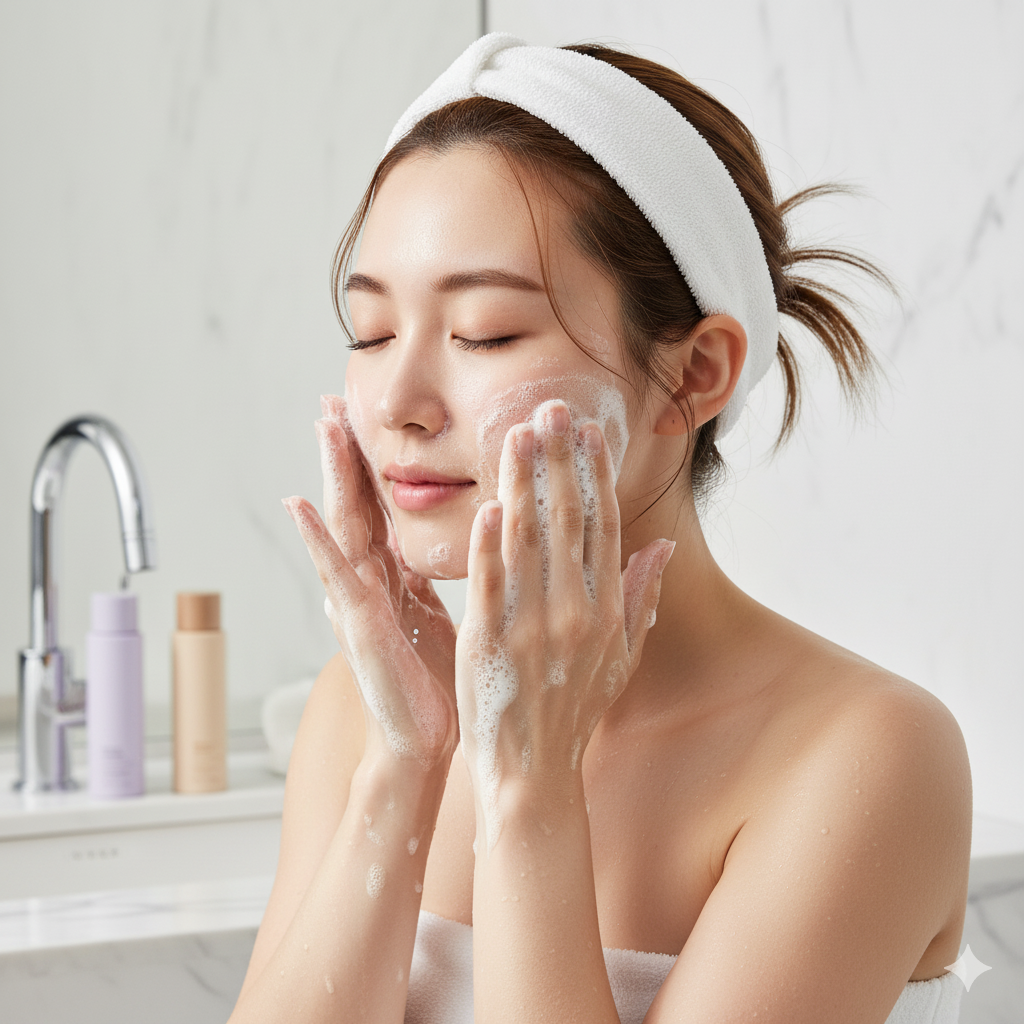
Over-cleansing or using harsh soaps can make things worse. Choose a sulfate-free, gentle cleanser that removes dirt and oil without damaging your skin’s barrier. Wash your face twice daily, and never sleep with makeup. Keeping your skin clean is the foundation of all acne remedies.
Natural Best Acne Treatment and Remedies for Every Skin Type
Mother Nature has amazing acne fighters! Try these easy DIY treatments:
Honey & Cinnamon Mask: Natural antibacterial and soothing combo.
Tea Tree Oil: Dab it on pimples to dry them out gently.
Aloe Vera: Calms redness and heals acne scars.
These home remedies are affordable, effective, and safe for most skin types. Just do a patch test before applying anything new.
5 Best Acne Care Secrets for Healthy, Glowing Skin
Tips for Effective Acne Care
1. Cleanse Gently but Consistently Avoid harsh soaps or scrubs. Use a sulfate-free, mild cleanser to remove dirt without stripping natural oils.
2. Use a Targeted Acne Treatment Look for ingredients like salicylic acid, benzoyl peroxide, or tea tree oil to control breakouts effectively.
3. Keep Your Skin Hydrated Even acne-prone skin needs moisture. Choose a lightweight, non-comedogenic moisturizer that won’t clog pores.
4. Protect Your Skin from the Sun Always use an oil-free sunscreen with SPF 30 or higher. It prevents dark spots and post-acne marks.
5. Maintain a Healthy Lifestyle Eat balanced meals, drink plenty of water, sleep well, and manage stress — your skin reflects your overall health.
Build a Smart Skincare Routine
Your acne-free journey should look like this: Cleanse → Exfoliate → Treat → Moisturize → Protect
Start your day by cleansing your face with a gentle, pH-balanced face wash to remove dirt and oil. Next, exfoliate your skin 2–3 times a week using exfoliants that contain salicylic acid or glycolic acid. These powerful ingredients help unclog pores, remove dead skin cells, and reduce breakouts without drying your skin.
After exfoliating, use a targeted acne treatment serum or spot corrector to fight active pimples. Follow it up with a non-moisturizer— this keeps your skin hydrated without clogging pores. And don’t forget the most important step: apply sunscreen daily, even if you’re indoors. Sunscreen prevents dark spots and acne scars from getting worse, giving your skin a smooth, even glow.
Eat & Live Smart for Clearer Skin
Skincare starts from within. Drink 8 glasses of water daily, eat fiber-rich foods, and cut down on processed sugar. Add omega-3-rich foods like walnuts and salmon for glowing skin. Sleep 7–8 hours a night — because tired skin always shows!
When to Visit a Dermatologist
If your acne doesn’t respond to home remedies or over-the-counter products, it’s time to consult a dermatologist. Sometimes, even the Best Acne Treatment and Remedies may not work for everyone — especially if your acne is hormonal or cystic. Prescription-strength retinoids or hormonal treatments may be needed for long-term control. Never ignore chronic acne — the sooner you act, the easier it is to treat and achieve clear, glowing skin.
Final Thoughts on Acne Treatment Remedies
Remember, clear skin doesn’t happen overnight. It’s all about consistency and patience. Follow your skincare routine daily, drink enough water, and eat foods rich in vitamins and antioxidants. Avoid touching your face frequently and always remove makeup before bed. These small steps make a big difference in how your skin feels and looks over time.
If you ever feel stuck, revisit your routine — sometimes a simple switch to a gentler product or a dermatologist’s advice can transform your skin journey. The Best Acne Treatment and Remedies work best when you stay consistent and patient with your skincare routine. Your glow will come, just stay calm and kind to your skin.
Best Acne Treatment and Remedies: Believe in Your Skin’s Healing Journey
No matter how stubborn your acne feels, never lose confidence. Every breakout has a reason, and with the right care, your skin will heal beautifully. Keep learning, stay positive, and remember — healthy skin is a journey, not a race!