Showing: 1 - 5 of 5 RESULTS
skincare Basics skincare tone

sunscreen

Protect your skin daily with broad-spectrum sunscreen

Sunscreen: Your Daily Shield for Healthy Skin

Sunscreen is a crucial component of any skincare regimen. Many individuals believe that sunscreen is only necessary on sunny days or at the beach; however, this is a misconception. Harmful UV rays are present every day, even on overcast days or when you are indoors near windows. Applying sunscreen daily aids in safeguarding your skin from long-term harm.


How Sunscreen Protects Your Skin

The sun emits two main types of ultraviolet radiation that affect the skin: UVA and UVB. UVA rays travel deep into the skin layers and are a major cause of early aging. They gradually weaken collagen and elastin, which leads to wrinkles, fine lines, and loss of skin firmness. On the other hand, UVB rays mainly impact the outer surface of the skin and are responsible for sunburn. Repeated and unprotected exposure to these rays can seriously damage skin cells and increase the risk of developing skin cancer.

What is the Meaning of Broad-Spectrum Sunscreen?

The sun emits two main types of ultraviolet rays that affect the skin: UVA and UVB. UVA rays penetrate deep into the skin and are responsible for premature aging, including wrinkles, fine lines, and loss of elasticity. These rays damage collagen and elastin, which are crucial for keeping the skin firm and smooth. UVB rays, on the other hand, affect the surface of the skin and cause sunburn. Repeated exposure to UVB rays can lead to serious skin conditions, including skin cancer.

Daily sunscreen use acts as a protective barrier, reducing the harmful effects of both UVA and UVB rays. Over time, this simple habit helps prevent uneven skin tone, dark spots, and early signs of aging.

How to Properly Apply Sunscreen

To fully enjoy the advantages of sunscreen, it is crucial to apply it correctly. Sunscreen must be used as the last step in your morning skincare regimen, following moisturizer and preceding makeup. Ensure you use a sufficient quantity to cover all exposed regions, such as the face, neck, ears, and hands.

When spending time outdoors, it is important to reapply sunscreen every two to three hours, particularly if you are sweating or in direct sunlight. Even when indoors, reapplying is beneficial if you remain seated near windows for extended durations.

Sunscreen for Various Skin Types

A prevalent reason individuals tend to skip sunscreen is due to discomfort or irritation. Thankfully, contemporary sunscreens come in a variety of formulations tailored to different skin types. Lightweight gel or water-based sunscreens are effective for oily and acne-prone skin. Cream-based sunscreens offer additional hydration for dry skin, whereas mineral sunscreens are frequently the best choice for sensitive skin.

Selecting the appropriate formula ensures that daily sunscreen application is both comfortable and easy to sustain.

Common Misconceptions Regarding Sunscreen

One prevalent misconception is that individuals with darker skin tones do not require sunscreen. Although darker skin offers greater natural protection, it remains susceptible to sun damage, pigmentation issues, and premature aging. Another false belief is that sunscreen hinders vitamin D absorption. Regular use of sunscreen does not substantially impede vitamin D synthesis, and adequate sun exposure or dietary sources can sufficiently fulfill vitamin D requirements.

Concluding Remarks

Sunscreen should not be regarded as a mere cosmetic indulgence; rather, it is an essential component of daily skincare. Regular application of sunscreen stands as one of the most efficient methods to shield your skin from enduring harm, mitigate the signs of aging, and preserve a vibrant complexion. By incorporating sunscreen as an indispensable element of your daily regimen, you are making a commitment to your skin’s well-being both now and in the future.
skincare Basics

Benefits of Exfoliation

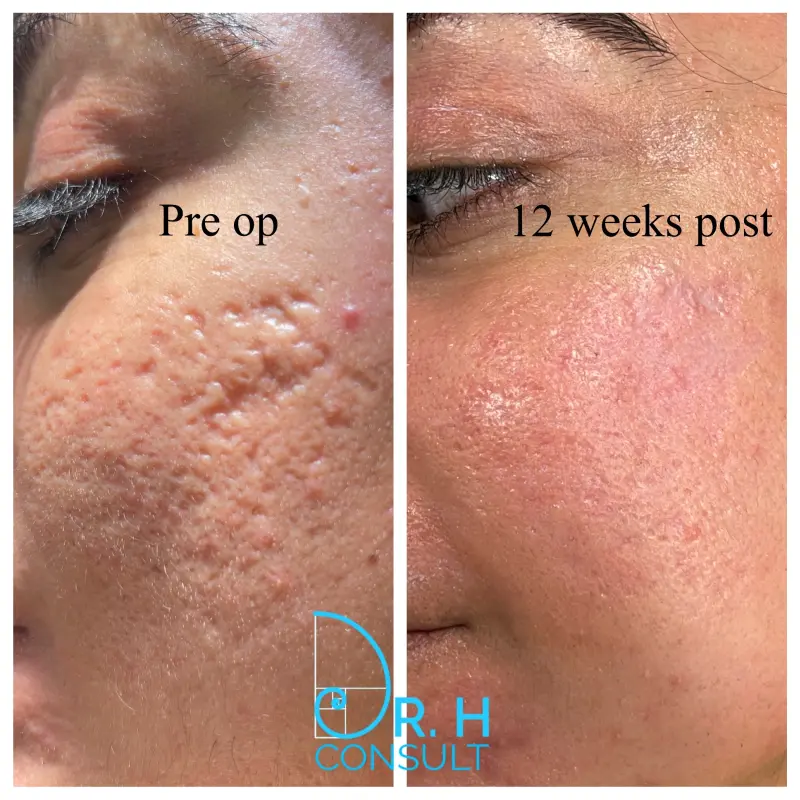
Woman gently exfoliating her face to show the benefits of exfoliation for glowing skin.

Benefits of Exfoliation: The Ultimate 2025 Guide to Glowing, Healthy Skin

Introduction

The key to achieving smooth and radiant skin lies in a simple yet powerful skincare habit — exfoliation. Understanding the benefits of exfoliation can greatly improve your skincare routine by helping eliminate dead skin cells, clear clogged pores, and reveal fresh, glowing skin underneath. Whether your skin is oily, dry, or sensitive, consistent exfoliation can bring visible improvements to your skin’s texture, clarity, and overall health.

What Is Exfoliation?

Exfoliation refers to the process of eliminating dead skin cells from the outer layer of your skin. The presence of these dead cells can make your complexion look dull and tired. Understanding the benefits of exfoliation helps you realize how this simple step allows your skin to breathe, rejuvenate, and absorb moisturizers and serums more effectively. This gentle practice enhances circulation and keeps your skin fresh, smooth, and youthful.

Enhances Skin Texture and Tone

One of the key benefits of exfoliation is that it makes your skin feel softer and more even-toned. Exfoliating regularly helps reduce rough patches, minor bumps, and discoloration, giving your complexion a smoother and more polished look.

Reduces Premature Aging

Another remarkable benefit of exfoliation is its ability to enhance blood circulation and increase collagen production. This process not only helps reduce the visibility of fine lines and wrinkles over time but also contributes to a firmer, smoother, and more youthful appearance of your skin.

Key Advantages of Exfoliation

Eliminates Dead Skin Cells

A significant advantage of exfoliation is its ability to remove old, dry, and rough skin cells. This process allows new cells to emerge, resulting in a smoother and more uniform skin texture.

Averts Acne and Breakouts

Exfoliation aids in unclogging pores by eliminating oil, dirt, and impurities that lead to acne. For individuals with acne-prone skin, exfoliating two to three times weekly can help minimize breakouts and blackheads.

Enhances Absorption of Skincare Products

By exfoliating, your skin becomes more amenable to absorbing other products. Moisturizers, serums, and treatments can penetrate more deeply, thereby increasing their effectiveness.

Boosts Skin Radiance

Accumulated dead skin can render your face looking lackluster. Regular exfoliation unveils fresh, luminous skin that reflects light more effectively, providing a natural, healthy glow.

Diminishes Signs of Aging

An additional key benefit of exfoliation is its anti-aging properties. It encourages skin cell renewal, which helps to lessen fine lines, wrinkles, and uneven skin tone over time.

How to Exfoliate Safely

To reap the full advantages of exfoliation, it is essential to perform it properly.

Begin by cleansing your face using a mild face wash.

Evenly distribute your exfoliator (whether physical or chemical) on damp skin.

Gently massage in circular motions for a duration of 30 to 60 seconds.

Rinse your face thoroughly with lukewarm water.

Gently pat your skin dry and promptly apply moisturizer.

Always apply sunscreen following exfoliation to safeguard your refreshed skin from UV damage.

Optimal Ingredients for Efficient Exfoliation

To achieve the greatest advantages of exfoliation, select products containing the following ingredients:

Salicylic Acid: Ideal for oily or acne-prone skin.

Glycolic Acid: Assists in brightening lackluster skin and refining texture.

Lactic Acid: Mild enough for sensitive or dry skin.

Natural Scrubs: Oatmeal, sugar, or coffee provide gentle exfoliation.

Common Errors to Steer Clear Of

Excessive exfoliation (more than three times a week)

Utilizing abrasive scrubs that can cause skin irritation

Neglecting to apply moisturizer or sunscreen afterward

Exfoliating skin that is already irritated or sunburned

Conclusion

The advantages of exfoliation extend beyond merely achieving smooth skin — it serves as the cornerstone of any successful skincare regimen. By eliminating dead skin cells and enhancing cell turnover, exfoliation ensures that your skin remains soft, radiant, and youthful. Keep in mind that gentle and regular care is essential. Exfoliate judiciously, safeguard your skin, and relish a natural, healthy glow throughout the entire year.

skincare Basics

Irritation and redness

Irritation and Redness: Causes, Symptoms, and Relief

What Is Skin Irritation and Redness?

Skin irritation occurs when your skin reacts to external or internal triggers, resulting in discomfort, itching, or a burning sensation. Redness develops when blood vessels under the skin surface dilate due to inflammation. These two concerns often appear together, signaling a weakened skin barrier that requires extra care.

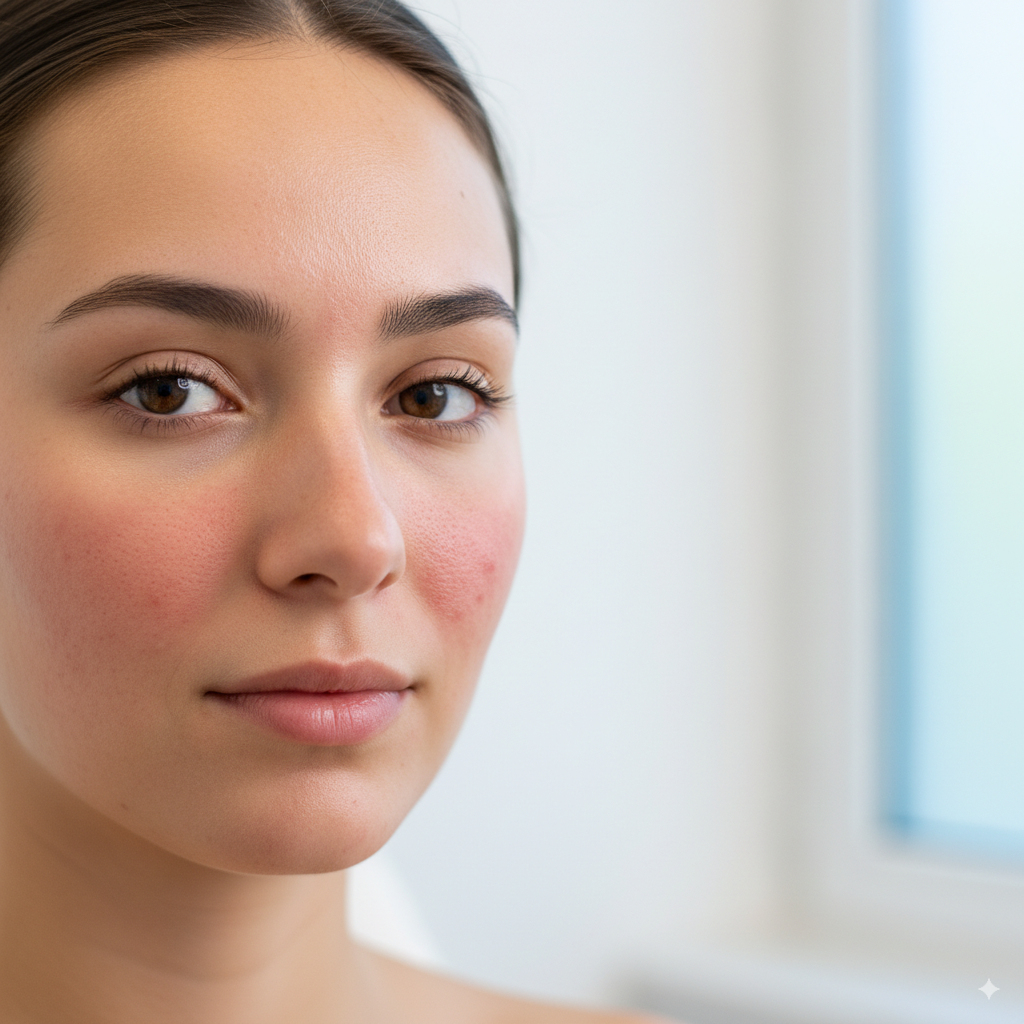
Close-up image of a woman’s face showing mild skin irritation and redness on cheeks.

5 Common Causes of Skin Irritation and Redness

Skin irritation doesn’t come from one source—it can be triggered by multiple factors, such as:

  • Harsh skincare products – cleansers with sulfates, alcohol-based toners, or strong fragrances.

  • Weather changes – extreme heat, cold winds, or low humidity levels.

  • Allergic reactions – food allergies, fabrics, or chemicals in cosmetics.

  • Medical conditions – eczema, rosacea, or psoriasis often cause persistent redness.

  • Lifestyle choices – poor diet, smoking, lack of sleep, or stress can worsen irritation.

Key Symptoms to Watch For

Identifying early symptoms helps in avoiding complications. Look out for:

  • Dryness and tightness after cleansing

  • Burning or stinging sensation when applying skincare

  • Flaky, rough, or uneven patches

  • Persistent redness, even without makeup

  • Swelling or unexpected breakouts

  • Sensitivity that increases with weather or product changes

Natural Remedies for Irritation and Redness

If you prefer gentle, at-home solutions, natural remedies can help calm irritation and redness:

  • Aloe Vera Gel – Its cooling effect soothes burning sensations and restores hydration.

  • Green Tea Extract – Rich in antioxidants, it reduces redness and inflammation.

  • Oatmeal Masks – Help lock in moisture and reduce itchiness.

  • Chamomile Compress – Provides a calming effect on sensitive skin.

These remedies are safe for most skin types, but always perform a patch test before applying them to your face.

How to Alleviate Irritation and Redness

1. Switch to Gentle Products

Use a sulfate-free cleanser and fragrance-free skincare. Ingredients like aloe vera, chamomile, and oat extract soothe irritation.

2. Moisturize Properly

Moisturizers with ceramides, glycerin, and hyaluronic acid help repair the skin barrier and lock in hydration.

3. Protect with Sunscreen

UV rays damage the skin and worsen redness. A broad-spectrum SPF 30 or higher is essential every day.

4. Avoid Triggers

Stay away from hot showers, harsh scrubs, and spicy foods. These can worsen irritation.

5. Try Natural Remedies

Cold compresses, green tea extract, or cucumber masks calm inflamed skin instantly.

Preventive Skincare Tips

  • Always patch-test new products

  • Avoid hot showers

  • Use fragrance-free moisturizers

  • Keep skin barrier strong with ceramides

Natural Remedies for Skin Irritation and Redness

  • Aloe vera gel

  • Green tea extract

  • Coconut oil (for mild irritation)

  • Chamomile compress

When to Seek Dermatologist Help

Consult a doctor if:

  • Irritation continues for more than two weeks

  • Redness spreads to larger areas of your face or body

  • Painful swelling, pus, or infections appear

  • Over-the-counter skincare fails to improve the condition

A dermatologist may suggest medicated creams, barrier-repair treatments, or lifestyle adjustments based on your skin type.

Preventing Future Flare-Ups

  • Stick to a consistent skincare routine with mild products.

  • Drink enough water to maintain hydration.

  • Get 7–8 hours of sleep for skin repair.

  • Reduce stress through yoga, meditation, or deep breathing.

  • Always patch-test new skincare products before using fully.

Final Thoughts

Skin irritation and redness are frustrating but manageable issues. By understanding the 7 most common causes—from harsh products to medical conditions—you can make smarter choices for your skincare. Focusing on gentle cleansers, proper hydration, sun protection, and lifestyle improvements will help reduce redness and restore balance.

If symptoms persist despite trying these fixes, consulting a dermatologist is the safest way forward. With the right care, you can calm irritation, strengthen your skin barrier, and enjoy healthier, glowing skin.

skincare Basics

Barrier Disruption

Barrier Disruption

The skin barrier represents the outermost layer of the skin, primarily composed of lipids and cells that retain moisture and shield against bacteria, pollution, and irritants. When this barrier sustains damage, the skin becomes susceptible, resulting in dryness, redness, irritation, and potentially acne flare-ups. This phenomenon is referred to as barrier disruption.

What Is Barrier Disruption?

Barrier disruption occurs when the protective layer of the skin deteriorates. Rather than serving as a robust defense, the skin becomes permeable, resulting in dryness, redness, irritation, and potentially breakouts.

A healthy barrier maintains your skin’s softness, plumpness, and resilience. Conversely, a compromised barrier has difficulty retaining moisture, leading to dehydration and increased sensitivity.

lit. Ut elit tellus, luctus nec ullamcorper mattis, pulvinar dapibus leo.

What Leads to Barrier Disruption?

Various elements can compromise your skin’s inherent defense mechanisms:

Aggressive Cleansers →

Components such as Sodium Lauryl Sulfate (SLS) remove essential oils.

Excessive Exfoliation →

The frequent use of scrubs or acids.

Environmental Factors →

Pollution, ultraviolet rays, and severe weather conditions.

Potent Active Ingredients →

 Retinoids, benzoyl peroxide, and strong acids are used without an appropriate balance.

Lifestyle Influences →

Stress, inadequate sleep, and an unhealthy diet.

Indicators and Manifestations of Barrier Disruption

Identifying the signs promptly can avert prolonged skin complications. Symptoms encompass:

  • Ongoing dryness and a feeling of tightness

  • Redness and inflammation following the application of products

  • Heightened sensitivity or a stinging feeling

  • Abrupt acne eruptions despite adhering to a consistent regimen

  • Flaky or uneven texture that does not enhance with standard moisturizer

How to Repair and Strengthen a Damaged Barrier

The positive aspect is that disruption of the barrier can be mended through appropriate skincare practices.

Switch to Gentle Cleansers

Utilize sulfate-free, pH-balanced cleansers that cleanse without removing natural oils.

Moisturize Regularly

Seek moisturizers that include ceramides, hyaluronic acid, and glycerin to replenish hydration and rebuild the barrier.

Avoid Over-Exfoliation

Restrict the use of exfoliating products to 1–2 times per week and allow your skin to have recovery days.

Add Barrier-Strengthening Ingredients

Integrate niacinamide, squalane, and panthenol to soothe and fortify the skin barrier.

Protect with Sunscreen

Consistent application of broad-spectrum SPF safeguards against UV rays that could further compromise the barrier.

Long-Term Prevention Strategies

Preserving a robust skin barrier is simpler than restoring a compromised one. Consider the following recommendations:

Ensure you consume sufficient water each day to remain hydrated.

Opt for fragrance-free products that are non-irritating.

Follow a balanced diet abundant in omega fatty acids, vitamins, and antioxidants.

Engage in stress management techniques such as meditation, yoga, or physical exercise.

Final Reflections

Disruption of the skin barrier is a prevalent factor contributing to skincare issues, yet it frequently goes unnoticed. If you notice that your skin is persistently dry, sensitive, or prone to breakouts, it is likely that your skin barrier requires restoration. By incorporating mild cleansers, moisturizing agents, and protective components into your routine, you can rejuvenate your skin’s natural barrier and achieve a clear, healthy, and luminous complexion.

skincare Basics

Daily Skincare Routine with a Gentle Sulfate-Free Cleanser

Gentle Sulfate-Free Cleanser: The Best Way to Protect Your Skin

What Is a Gentle Sulfate-Free Cleanser?

A gentle sulfate-free cleanser is a skincare product formulated to cleanse your face without stripping away the natural oils essential for maintaining healthy skin. Conventional cleansers frequently include sulfates such as Sodium Lauryl Sulfate (SLS) and Sodium Laureth Sulfate (SLES). Although these components generate a rich lather, they can deplete moisture, resulting in dry, irritated, or sensitive skin.

In contrast, sulfate-free cleansers utilize gentle surfactants like coco-glucoside, decyl glucoside, or sodium cocoyl isethionate. These ingredients effectively cleanse while preserving the integrity and hydration of the skin barrier.

Why You Should Steer Clear of Sulfates in Skincare?

The Mechanism of Sulfates

Sulfates serve as foaming agents frequently incorporated into cleansers, shampoos, and body washes. While they effectively eliminate dirt and oil, the issue lies in their excessive strength for sensitive facial skin.

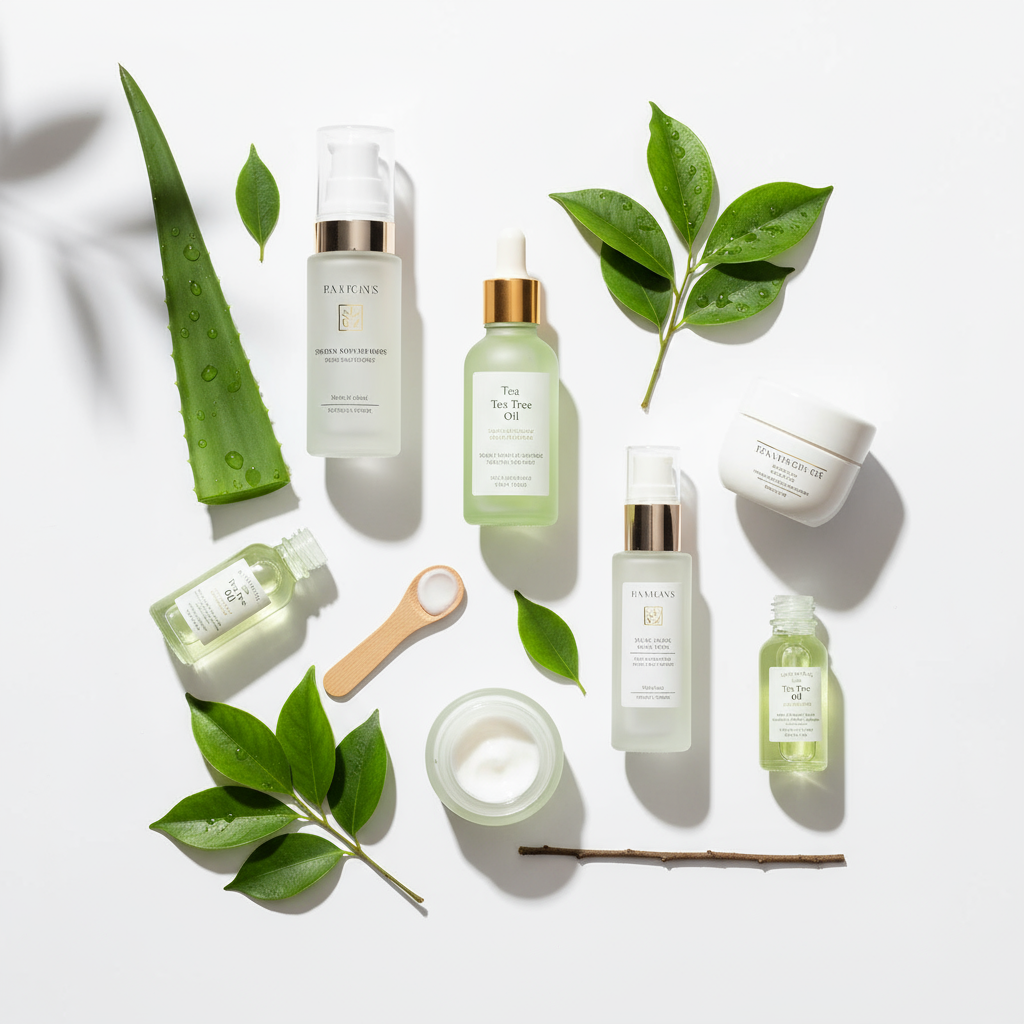
“Discover the powerful benefits of gentle sulfate-free cleansers made with skin-friendly, natural ingredients like aloe vera and tea tree oil. Unlike harsh foaming agents, these products are carefully designed to protect your skin barrier while deeply cleansing impurities. Perfect for acne-prone,
oily, and sensitive skin, they keep your complexion clean, balanced, and hydrated throughout the day.
With added botanicals and soothing extracts, this skincare collection not only prevents irritation and breakouts but also restores your skin’s natural glow, leaving it soft, healthy, and radiant.”

cleanser.jpg" alt="Gentle Sulfate-Free Cleanser for Healthy Skin

Adverse Effects of Sulfates

Dryness and tightness – the natural oils are stripped away.

Redness and irritation – particularly in individuals with sensitive skin.

Compromised barrier – the skin becomes increasingly susceptible to infections and acne.

Acne outbreaks – excessive drying prompts the skin to produce excess oil.

Consequently, dermatologists often recommend transitioning to a mild, sulfate-free cleanser to promote long-term skin health.

Benefits of a Gentle Sulfate-Free Cleanser

 Hydration and Nourishment

Unlike aggressive cleansers, sulfate-free alternatives retain moisture and avert water loss.

Barrier Protection

They help fortify the skin’s inherent defense against environmental pollutants and bacteria.

Safe for All Skin Types

Gentle enough for those with acne-prone, dry, or sensitive skin.

Daily Use Approved

They can be safely utilized both in the morning and at night.


Science-Backed Advantages of Going Sulfate-Free

Research in dermatology confirms that using a gentle, sulfate-free cleanser helps preserve lipids and ceramides within the skin.

Enhanced hydration – prevents transepidermal water loss.

Decreased sensitivity – lowers the likelihood of redness and burning sensations.

Balanced oil production – manages acne without causing excessive dryness.

Barrier repair – maintains skin’s youthfulness and resilience.

How to Choose the Appropriate Gentle Cleanser

Key Ingredients to Consider

Glycerin – retains moisture.

Ceramides – fortify the skin barrier.

Hyaluronic acid – delivers intense hydration.

Aloe vera and oat extract – calm sensitive skin.

Ingredients to Avoid

  • Sulfates (SLS, SLES)
  • Harsh alcohols
  • Parabens
  • Artificial fragrances
  • Rough scrubbing beads

Selecting Based on Texture

  • Creamy or gel-based products are most suitable for individuals with dry and sensitive skin.
  • Lightweight gel-based formulations are perfect for those with oily or acne-prone skin.

How to Utilize a Mild Sulfate-Free Cleanser

Step-by-Step Instructions

Utilize lukewarm water – avoiding both hot and excessively cold temperatures.

Gently massage – cleanse using circular motions for a duration of 30–60 seconds.

Refrain from over-cleansing – once or twice a day is sufficient.

Immediately apply moisturizer following the washing process.

If you use makeup, consider double cleansing.

Common Errors to Steer Clear Of

Employing harsh foaming cleansers daily.

Using abrasive brushes or cloths for scrubbing.

Neglecting to apply moisturizer after cleansing.

Frequently changing cleansers (allow a minimum of 2–4 weeks to observe results).

Conclusion

Incorporating a mild sulfate-free cleanser into your skincare regimen is the easiest and most effective method to safeguard your skin.

“By choosing a gentle sulfate-free cleanser, you’re not only cleansing your skin but also investing in its long-term strength, glow, and health.”