Showing: 1 - 10 of 12 RESULTS
skincare Basics skincare tone

sunscreen

Protect your skin daily with broad-spectrum sunscreen

Sunscreen: Your Daily Shield for Healthy Skin

Sunscreen is a crucial component of any skincare regimen. Many individuals believe that sunscreen is only necessary on sunny days or at the beach; however, this is a misconception. Harmful UV rays are present every day, even on overcast days or when you are indoors near windows. Applying sunscreen daily aids in safeguarding your skin from long-term harm.


How Sunscreen Protects Your Skin

The sun emits two main types of ultraviolet radiation that affect the skin: UVA and UVB. UVA rays travel deep into the skin layers and are a major cause of early aging. They gradually weaken collagen and elastin, which leads to wrinkles, fine lines, and loss of skin firmness. On the other hand, UVB rays mainly impact the outer surface of the skin and are responsible for sunburn. Repeated and unprotected exposure to these rays can seriously damage skin cells and increase the risk of developing skin cancer.

What is the Meaning of Broad-Spectrum Sunscreen?

The sun emits two main types of ultraviolet rays that affect the skin: UVA and UVB. UVA rays penetrate deep into the skin and are responsible for premature aging, including wrinkles, fine lines, and loss of elasticity. These rays damage collagen and elastin, which are crucial for keeping the skin firm and smooth. UVB rays, on the other hand, affect the surface of the skin and cause sunburn. Repeated exposure to UVB rays can lead to serious skin conditions, including skin cancer.

Daily sunscreen use acts as a protective barrier, reducing the harmful effects of both UVA and UVB rays. Over time, this simple habit helps prevent uneven skin tone, dark spots, and early signs of aging.

How to Properly Apply Sunscreen

To fully enjoy the advantages of sunscreen, it is crucial to apply it correctly. Sunscreen must be used as the last step in your morning skincare regimen, following moisturizer and preceding makeup. Ensure you use a sufficient quantity to cover all exposed regions, such as the face, neck, ears, and hands.

When spending time outdoors, it is important to reapply sunscreen every two to three hours, particularly if you are sweating or in direct sunlight. Even when indoors, reapplying is beneficial if you remain seated near windows for extended durations.

Sunscreen for Various Skin Types

A prevalent reason individuals tend to skip sunscreen is due to discomfort or irritation. Thankfully, contemporary sunscreens come in a variety of formulations tailored to different skin types. Lightweight gel or water-based sunscreens are effective for oily and acne-prone skin. Cream-based sunscreens offer additional hydration for dry skin, whereas mineral sunscreens are frequently the best choice for sensitive skin.

Selecting the appropriate formula ensures that daily sunscreen application is both comfortable and easy to sustain.

Common Misconceptions Regarding Sunscreen

One prevalent misconception is that individuals with darker skin tones do not require sunscreen. Although darker skin offers greater natural protection, it remains susceptible to sun damage, pigmentation issues, and premature aging. Another false belief is that sunscreen hinders vitamin D absorption. Regular use of sunscreen does not substantially impede vitamin D synthesis, and adequate sun exposure or dietary sources can sufficiently fulfill vitamin D requirements.

Concluding Remarks

Sunscreen should not be regarded as a mere cosmetic indulgence; rather, it is an essential component of daily skincare. Regular application of sunscreen stands as one of the most efficient methods to shield your skin from enduring harm, mitigate the signs of aging, and preserve a vibrant complexion. By incorporating sunscreen as an indispensable element of your daily regimen, you are making a commitment to your skin’s well-being both now and in the future.
Skincare Tips

Daily Skincare Routine for Clear Skin

Daily Skincare Routine for Clear Skin

Everyone aspires to have smooth, radiant, and clear skin; however, attaining this ideal requires more than merely using random skincare products. The key is to adhere to a straightforward yet consistent daily skincare regimen that cleanses, nourishes, and safeguards your skin each day. Regardless of whether your skin type is oily, dry, or a combination, the subsequent steps will assist you in preserving healthy and blemish-free skin in a natural manner.

Cleanse Gently Twice a Day

Cleansing serves as the cornerstone for achieving clear skin. Begin your morning and evening regimen with a mild cleanser that eliminates dirt, oil, and bacteria. Steer clear of harsh soaps, as they can deplete your skin’s natural moisture and potentially lead to breakouts.

 Seek out cleansers containing ingredients such as salicylic acid, green tea, or aloe vera. These components not only cleanse your pores but also soothe inflammation and help prevent acne.

 Pro Tip: Always cleanse your face using lukewarm water — hot water may dry out your skin, while cold water is ineffective in removing oil.

Use a Toner to Balance Your Skin

Following cleansing, utilize a gentle, alcohol-free toner to help restore the pH balance of your skin. Toners also assist in tightening pores and enhancing your skin’s ability to absorb serums or moisturizers more effectively.

Opt for toners that contain witch hazel, rose water, or niacinamide. These components aid in minimizing oil, calming irritation, and providing your skin with a refreshed, smooth appearance.

For those with acne-prone skin, this step can be transformative in attaining long-term clarity.

Apply a Nourishing Serum

Serums are packed with concentrated nutrients your skin loves. For clear skin, pick serums that contain Vitamin C, niacinamide, or hyaluronic acid.

  • Vitamin C brightens your complexion and fades dark spots.

  • Niacinamide reduces redness and strengthens your skin barrier.

  • Hyaluronic acid keeps your skin hydrated without making it oily.

Use a few drops after your toner, and gently pat it into your face.

Moisturize Daily — Even if You Have Oily Skin

Many people skip moisturizer thinking it causes pimples, but that’s a myth. When your skin lacks hydration, it produces more oil — leading to clogged pores and breakouts.

Pick a lightweight, non-comedogenic moisturizer that suits your skin type. Gel-based moisturizers work best for oily or acne-prone skin, while creamy ones are ideal for dry skin.

Hydrated skin = healthy, glowing skin.

Don’t Forget Sunscreen

No skincare routine is complete without sunscreen. UV rays can cause premature aging, dark spots, and dullness — all enemies of clear skin.

Choose a broad-spectrum SPF 30 or higher and apply it every morning, even if it’s cloudy or you’re indoors. Sunscreen protects your skin barrier and keeps your complexion even and bright.

Night-Time Routine

At night, your skin repairs itself — so help it recover! Remove all makeup, cleanse thoroughly, and apply a nourishing night cream or serum.
Products with retinol or peptides can boost collagen and reduce blemishes while you sleep.

Sleep at least 7–8 hours daily, and drink plenty of water to keep your skin clear from the inside out.

Final Thoughts

Consistency is the real secret behind clear skin. Following this daily skincare routine won’t give you results overnight, but with patience and the right products, you’ll start to notice visible improvements within a few weeks.

Remember — good skincare is self-care. Treat your skin kindly, eat healthy foods, and let your natural glow shine through.

Product Reviews

My Simple Skincare Routine Using Sulfate-Free & Gentle Products”

My Simple Skincare Routine

My Simple Skincare Routine Using Sulfate-Free & Gentle Products

 Taking care of your skin doesn’t have to be complicated. In fact, a simple and consistent skincare routine can be far more effective than a complicated one. Over time, I’ve realized that sulfate-free and gentle skincare products are the secret to maintaining healthy, glowing, and balanced skin — especially if you have sensitive or acne-prone skin like mine.

Gentle Cleanser

Every skincare routine begins with cleansing, but the type of cleanser you use matters. Traditional cleansers often contain sulfates such as Sodium Lauryl Sulfate (SLS) and Sodium Laureth Sulfate (SLES). These foaming agents can remove dirt effectively, but they also strip away the skin’s natural oils, leaving it dry, tight, and irritated.

Instead, I prefer using sulfate-free cleansers formulated with mild ingredients like coco-glucoside, decyl glucoside, or aloe vera extract. These gentle surfactants clean deeply without damaging your skin barrier.

Hydrating Toner

After cleansing, I always use a hydrating toner to restore moisture and calm my skin. Toners with ingredients like hyaluronic acid, green tea, or rose water help tighten pores and prepare the skin for the next steps.

A good toner also balances your skin’s pH, which is essential for maintaining a healthy glow. I simply pour a few drops onto a cotton pad or my palms and gently pat it onto my face.

Moisturizer

No matter your skin type, moisturizer is a must. In my simple skincare routine using sulfate-free & gentle products, I always include a lightweight, fragrance-free moisturizer that contains ceramides, glycerin, and shea butter. These ingredients not only hydrate the skin but also strengthen the natural barrier, protecting it from dryness and pollution.

If you have oily skin, go for a gel-based moisturizer; for dry skin, a cream-based one works best. Applying it right after toner helps lock in all the hydration and keeps your skin soft, smooth, and glowing.

Sunscreen (Morning Routine)

Skipping sunscreen is one of the biggest skincare mistakes! I use a broad-spectrum SPF 50, non-comedogenic and suitable for sensitive skin. Sunscreen shields your skin from UV rays that can cause premature aging, sunspots, and dullness.

Even when I’m indoors or it’s cloudy outside, I make sure to apply sunscreen every morning — because light exposure happens everywhere.

Night Care (Optional)

efore bedtime, I repeat my gentle cleanse and toner steps, but I also add a serum. My go-to is a vitamin E or niacinamide serum — these ingredients repair and brighten the skin overnight.

I finish off with a slightly thicker moisturizer or sleeping mask to wake up with a healthy glow in the morning.

Why I Choose Sulfate-Free & Gentle Products

Switching to sulfate-free skincare completely transformed my skin. It became softer, smoother, and more hydrated. No more redness or irritation after washing my face!

Sulfate-free products help maintain your skin barrier, keeping your complexion balanced and strong. They are perfect for anyone with sensitive, dry, or acne-prone skin. Over time, they improve the texture, reduce breakouts, and restore natural radiance.

So, if you’re tired of harsh foaming cleansers or tight skin after washing, give gentle skincare a try — your skin will thank you!

Final Thoughts

Your skincare routine doesn’t need to be expensive or complicated. Just remember these three golden rules:

  1. Be consistent — follow your routine daily.

  2. Keep it gentle — avoid harsh ingredients.

  3. Stay hydrated and protect your skin — use moisturizer and sunscreen religiously.

By choosing sulfate-free and gentle products, you’re giving your skin the care it truly deserves — clean, calm, and naturally beautiful. 

Bonus Tip: Be Patient with Results

Skincare results don’t appear overnight — especially when you’re switching to gentle, sulfate-free products. Your skin might take a couple of weeks to adjust, but consistency is key. Keep following your simple routine daily, drink plenty of water, and get enough sleep. Within a month, you’ll notice softer texture, reduced redness, and a naturally radiant glow.

Skincare Tips

Acne care

Acne care skincare routine for clear, glowing skin

Overview: Best Acne Treatment Remedies

Acne care is one of the most common skin problems — and one of the most misunderstood. Whether you’re dealing with occasional breakouts or persistent acne, it can feel frustrating and even impact your confidence. But here’s the truth — acne is treatable.
With the right combination of skincare, lifestyle changes, and patience, you can achieve clear, glowing, and healthy skin.

This guide covers the best acne treatment remedies that actually work — from gentle cleansers and toners to dermatologist-approved treatments and daily care tips. Let’s dive in!

Understanding Acne and Its Causes

Before starting treatment, it’s important to know why acne happens.
Acne forms when your pores get clogged with oil, bacteria, or dead skin cells. Factors like hormonal imbalance, stress, poor diet, or harsh skincare can worsen it.

There are different types of acne — whiteheads, blackheads, papules, pustules, and cystic acne — and each type requires a slightly different approach.
The key is not to panic or over-treat your skin, but to find what truly works for your skin type.

Gentle Cleansing: The Foundation of Acne Care

Your first step toward clearer skin begins with the right cleanser.
Avoid harsh soaps or products containing sulfates (SLS/SLES), as they strip away natural oils and irritate the skin. Instead, choose a gentle sulfate-free cleanser that cleans effectively while maintaining your skin’s moisture barrier.

Look for ingredients like salicylic acid, tea tree oil, or aloe vera, which help fight acne-causing bacteria and reduce inflammation naturally.

Tone & Balance the Skin

After cleansing, use a mild, alcohol-free toner to balance your skin’s pH and tighten pores.
In your acne care routine, good toners include ingredients such as witch hazel, rose water, or niacinamide, which help reduce oil and soothe irritation.

Toners prepare your skin to absorb serums and moisturizers better. For acne-prone skin, a toner plays a vital role in acne care, helping to control shine, minimize pores, and maintain a healthy, fresh complexion.

Target with Active Treatments

Once your skin is prepped, focus on targeted acne treatments.
Spot treatments containing benzoyl peroxide, azelaic acid, or salicylic acid are great for reducing active pimples.

If you experience deeper, cystic acne, consult a dermatologist — they may recommend prescription treatments or mild retinoids to regulate oil production and prevent scarring.

Always introduce actives slowly and follow with a soothing moisturizer to prevent dryness.

Moisturize — Even if You Have Oily Skin

Many people with acne skip moisturizer, thinking it will worsen breakouts — but that’s a big mistake.
Hydration is essential for healing.
Choose a lightweight, non-comedogenic moisturizer that contains ceramides, glycerin, or hyaluronic acid.

If you have oily skin, a gel-based formula is ideal. For dry skin, use a cream-based one.
Apply it after your toner to lock in hydration and maintain a strong skin barrier.

Sunscreen: The Ultimate Protector

Sun damage can make acne scars darker and delay healing. Always use a broad-spectrum SPF 30 or higher sunscreen daily.
Opt for a mineral sunscreen with zinc oxide or titanium dioxide — these are less likely to clog pores.

Even when you’re indoors or it’s cloudy, sunscreen protects your skin from UV rays and pollution.

Eat & Live Smart for Clearer Skin

Your lifestyle choices have a huge impact on your skin.
Eat fresh fruits, vegetables, and omega-3-rich foods like walnuts, flaxseeds, and fish.
Avoid too much sugar, dairy, and processed junk foods.

Stay hydrated — drink at least 8 glasses of water daily.
Get enough sleep (7–8 hours) and manage stress through yoga, meditation, or journaling.

When your body feels balanced, your skin reflects that glow.

Be Patient and Consistent

Acne takes time to heal — usually 4–6 weeks before results show.
Avoid switching products too often, and don’t pick at pimples.
Be kind to your skin, and remember that healing is gradual.

With consistency and care, you’ll notice your skin becoming smoother, brighter, and healthier.

Final Thoughts

The best acne treatment remedies are not about using too many products — they’re about choosing the right ones.
A gentle cleanser, balanced routine, and healthy lifestyle together can transform your skin.

“Clear skin is a journey, not a race. Stay patient, stay positive, and let your natural glow shine through.”

skincare tone

Acne Treatment & Remedies”

Best Acne Treatment and Remedies for Clear Skin

Best Acne Treatment and Remedies: The Ultimate Guide to Clear & Glowing Skin

Acne treatment remedies are essential for anyone facing breakouts or oily skin. From surprise pimples before a big event to stubborn acne scars, this guide covers natural and dermatologist-approved solutions that truly work. Whether you have hormonal acne, stress-related breakouts, or sensitive skin, these acne treatment remedies will help you achieve a clear, healthy glow.

Acne Care: The Complete Guide to Clear & Healthy Skin

Acne happens when your pores get blocked with oil, dead skin, or bacteria. Add in stress, hormones, or poor diet — and suddenly your skin goes wild. Understanding the cause is the first step in choosing the right acne treatment.
Remember: not all acne is the same. Blackheads, whiteheads, cystic acne — each type needs different care.

Start with Gentle Cleansing

Over-cleansing or using harsh soaps can make things worse. Choose a sulfate-free, gentle cleanser that removes dirt and oil without damaging your skin’s barrier.
Wash your face twice daily, and never sleep with makeup. Keeping your skin clean is the foundation of all acne remedies.

Natural Best Acne Treatment and Remedies for Every Skin Type

Mother Nature has amazing acne fighters! Try these easy DIY treatments:

  • Honey & Cinnamon Mask: Natural antibacterial and soothing combo.

  • Tea Tree Oil: Dab it on pimples to dry them out gently.

  • Aloe Vera: Calms redness and heals acne scars.

These home remedies are affordable, effective, and safe for most skin types. Just do a patch test before applying anything new.

5 Best Acne Care Secrets for Healthy, Glowing Skin

Tips for Effective Acne Care

1. Cleanse Gently but Consistently
Avoid harsh soaps or scrubs. Use a sulfate-free, mild cleanser to remove dirt without stripping natural oils.

2. Use a Targeted Acne Treatment
Look for ingredients like salicylic acid, benzoyl peroxide, or tea tree oil to control breakouts effectively.

3. Keep Your Skin Hydrated
Even acne-prone skin needs moisture. Choose a lightweight, non-comedogenic moisturizer that won’t clog pores.

4. Protect Your Skin from the Sun
Always use an oil-free sunscreen with SPF 30 or higher. It prevents dark spots and post-acne marks.

5. Maintain a Healthy Lifestyle
Eat balanced meals, drink plenty of water, sleep well, and manage stress — your skin reflects your overall health.

Build a Smart Skincare Routine

Your acne-free journey should look like this:
Cleanse → Exfoliate → Treat → Moisturize → Protect

Start your day by cleansing your face with a gentle, pH-balanced face wash to remove dirt and oil.
Next, exfoliate your skin 2–3 times a week using exfoliants that contain salicylic acid or glycolic acid.
These powerful ingredients help unclog pores, remove dead skin cells, and reduce breakouts without drying your skin.

After exfoliating, use a targeted acne treatment serum or spot corrector to fight active pimples.
Follow it up with a non-moisturizer — this keeps your skin hydrated without clogging pores.
And don’t forget the most important step: apply sunscreen daily, even if you’re indoors.
Sunscreen prevents dark spots and acne scars from getting worse, giving your skin a smooth, even glow.

Eat & Live Smart for Clearer Skin

Skincare starts from within. Drink 8 glasses of water daily, eat fiber-rich foods, and cut down on processed sugar.
Add omega-3-rich foods like walnuts and salmon for glowing skin.
Sleep 7–8 hours a night — because tired skin always shows!

When to Visit a Dermatologist

If your acne doesn’t respond to home remedies or over-the-counter products, it’s time to consult a dermatologist.
Sometimes, even the Best Acne Treatment and Remedies may not work for everyone — especially if your acne is hormonal or cystic.
Prescription-strength retinoids or hormonal treatments may be needed for long-term control.
Never ignore chronic acne — the sooner you act, the easier it is to treat and achieve clear, glowing skin.

Final Thoughts on Acne Treatment Remedies

Remember, clear skin doesn’t happen overnight. It’s all about consistency and patience.
Follow your skincare routine daily, drink enough water, and eat foods rich in vitamins and antioxidants.
Avoid touching your face frequently and always remove makeup before bed.
These small steps make a big difference in how your skin feels and looks over time.

If you ever feel stuck, revisit your routine — sometimes a simple switch to a gentler product or a dermatologist’s advice can transform your skin journey.
The Best Acne Treatment and Remedies work best when you stay consistent and patient with your skincare routine.
Your glow will come, just stay calm and kind to your skin.

Best Acne Treatment and Remedies: Believe in Your Skin’s Healing Journey

No matter how stubborn your acne feels, never lose confidence.
Every breakout has a reason, and with the right care, your skin will heal beautifully.
Keep learning, stay positive, and remember — healthy skin is a journey, not a race!

skincare Basics

Benefits of Exfoliation

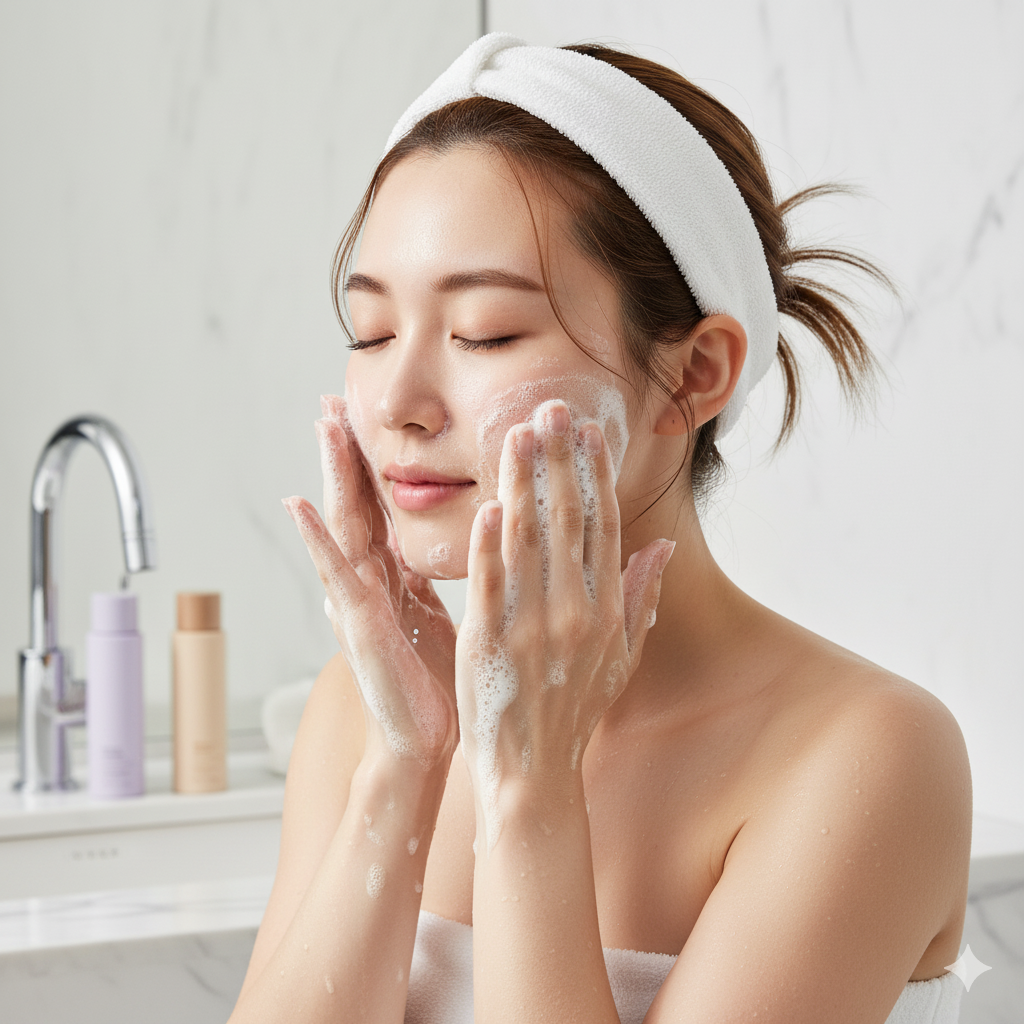
Woman gently exfoliating her face to show the benefits of exfoliation for glowing skin.

Benefits of Exfoliation: The Ultimate 2025 Guide to Glowing, Healthy Skin

Introduction

The key to achieving smooth and radiant skin lies in a simple yet powerful skincare habit — exfoliation. Understanding the benefits of exfoliation can greatly improve your skincare routine by helping eliminate dead skin cells, clear clogged pores, and reveal fresh, glowing skin underneath. Whether your skin is oily, dry, or sensitive, consistent exfoliation can bring visible improvements to your skin’s texture, clarity, and overall health.

What Is Exfoliation?

Exfoliation refers to the process of eliminating dead skin cells from the outer layer of your skin. The presence of these dead cells can make your complexion look dull and tired. Understanding the benefits of exfoliation helps you realize how this simple step allows your skin to breathe, rejuvenate, and absorb moisturizers and serums more effectively. This gentle practice enhances circulation and keeps your skin fresh, smooth, and youthful.

Enhances Skin Texture and Tone

One of the key benefits of exfoliation is that it makes your skin feel softer and more even-toned. Exfoliating regularly helps reduce rough patches, minor bumps, and discoloration, giving your complexion a smoother and more polished look.

Reduces Premature Aging

Another remarkable benefit of exfoliation is its ability to enhance blood circulation and increase collagen production. This process not only helps reduce the visibility of fine lines and wrinkles over time but also contributes to a firmer, smoother, and more youthful appearance of your skin.

Key Advantages of Exfoliation

Eliminates Dead Skin Cells

A significant advantage of exfoliation is its ability to remove old, dry, and rough skin cells. This process allows new cells to emerge, resulting in a smoother and more uniform skin texture.

Averts Acne and Breakouts

Exfoliation aids in unclogging pores by eliminating oil, dirt, and impurities that lead to acne. For individuals with acne-prone skin, exfoliating two to three times weekly can help minimize breakouts and blackheads.

Enhances Absorption of Skincare Products

By exfoliating, your skin becomes more amenable to absorbing other products. Moisturizers, serums, and treatments can penetrate more deeply, thereby increasing their effectiveness.

Boosts Skin Radiance

Accumulated dead skin can render your face looking lackluster. Regular exfoliation unveils fresh, luminous skin that reflects light more effectively, providing a natural, healthy glow.

Diminishes Signs of Aging

An additional key benefit of exfoliation is its anti-aging properties. It encourages skin cell renewal, which helps to lessen fine lines, wrinkles, and uneven skin tone over time.

How to Exfoliate Safely

To reap the full advantages of exfoliation, it is essential to perform it properly.

Begin by cleansing your face using a mild face wash.

Evenly distribute your exfoliator (whether physical or chemical) on damp skin.

Gently massage in circular motions for a duration of 30 to 60 seconds.

Rinse your face thoroughly with lukewarm water.

Gently pat your skin dry and promptly apply moisturizer.

Always apply sunscreen following exfoliation to safeguard your refreshed skin from UV damage.

Optimal Ingredients for Efficient Exfoliation

To achieve the greatest advantages of exfoliation, select products containing the following ingredients:

Salicylic Acid: Ideal for oily or acne-prone skin.

Glycolic Acid: Assists in brightening lackluster skin and refining texture.

Lactic Acid: Mild enough for sensitive or dry skin.

Natural Scrubs: Oatmeal, sugar, or coffee provide gentle exfoliation.

Common Errors to Steer Clear Of

Excessive exfoliation (more than three times a week)

Utilizing abrasive scrubs that can cause skin irritation

Neglecting to apply moisturizer or sunscreen afterward

Exfoliating skin that is already irritated or sunburned

Conclusion

The advantages of exfoliation extend beyond merely achieving smooth skin — it serves as the cornerstone of any successful skincare regimen. By eliminating dead skin cells and enhancing cell turnover, exfoliation ensures that your skin remains soft, radiant, and youthful. Keep in mind that gentle and regular care is essential. Exfoliate judiciously, safeguard your skin, and relish a natural, healthy glow throughout the entire year.

Best Care for Sensitive Skin

Top Moisturizers for Sensitive Skin

Top Moisturizers for Sensitive Skin

Introduction

If you have sensitive skin, finding the right moisturizer can feel overwhelming. Harsh or heavily fragranced creams can trigger redness, itching, or even breakouts. That’s why choosing a gentle, dermatologist-approved moisturizer is essential. The right moisturizer not only hydrates but also strengthens your skin barrier, keeping it calm and protected.

In this article, we’ll explore the top moisturizers for sensitive skin that are safe, effective, and recommended by dermatologists.

Effective Tips to Manage Acne-Prone Skin 

  • Use a gentle, sulfate-free cleanser specifically designed for acne-prone skin.

  • Exfoliate regularly, but avoid harsh scrubs that can irritate your skin.

  • Keep your skin hydrated with non-comedogenic moisturizers.

  • Protect your skin daily with broad-spectrum sunscreen to prevent dark spots and irritation.


Simple Daily Skincare Routine for Acne 

Cleanse Twice a Day 

Wash your face morning and night with a gentle cleanser to remove dirt, oil, and impurities.

Apply Acne Treatment Products 

Use dermatologist-recommended treatments such as benzoyl peroxide, salicylic acid, or retinoids.

Moisturize Daily 

Choose a lightweight, oil-free, non-comedogenic moisturizer to keep your skin balanced.

Always Wear Sunscreen 

Protect your skin with broad-spectrum SPF 30+ to avoid post-acne marks and sun damage.


Best Products for Acne-Prone Skin 

Discover cleansers, treatments, moisturizers, and sunscreens that really work for acne-prone skin. Always look for non-comedogenic, oil-free, and dermatologist-tested labels when choosing products.


Popular Skincare Topics for Acne 

Best Moisturizer for Acne-Prone Skin 

Learn which moisturizers provide hydration without clogging pores.

How to Prevent Acne Breakouts 

Daily habits and skincare practices to keep acne under control.

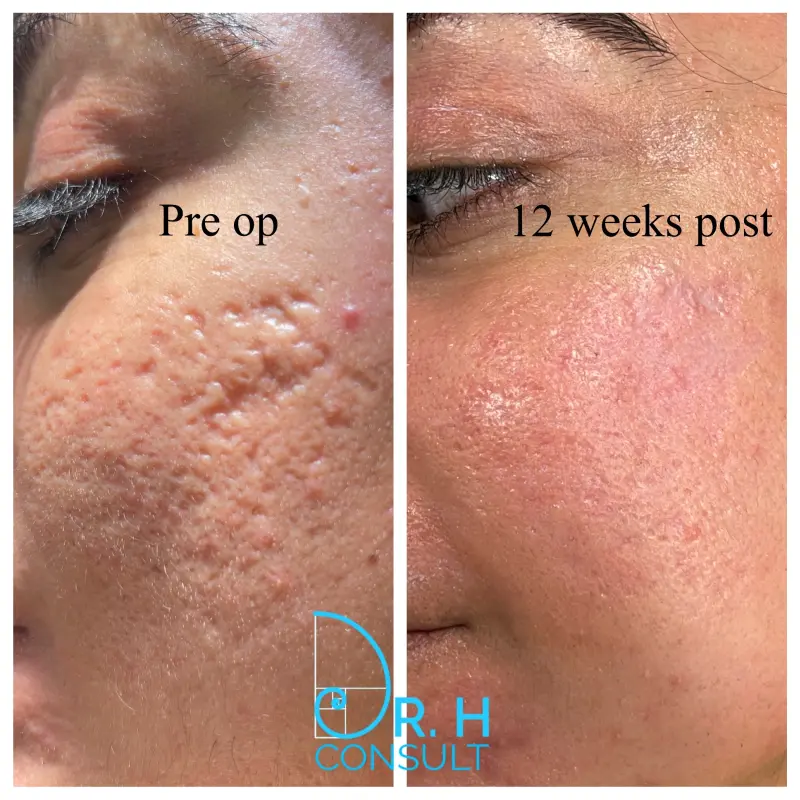
Acne Scar Removal Treatments 

From chemical peels to natural remedies, explore options for fading acne scars.

Diet and Acne 

Understand how certain foods may trigger acne and what to eat for clearer skin.

Acne-Prone Skin Care Routine 

Step-by-step daily routine designed for sensitive and breakout-prone skin.

Causes of Acne 

Learn the science behind acne—hormones, oil production, bacteria, and lifestyle factors.

Best Cleanser for Acne 

Top dermatologist-recommended cleansers that are gentle yet effective.

Acne Treatment Tips

Quick, expert-approved tips to help you manage breakouts more effectively.

Best Care for Sensitive Skin

8 Best Gentle Cleansers for Sensitive Skin 2026 (No Redness)”.

8 best gentle cleansers sensitive skin 2026 – no redness

Introduction

Caring for sensitive skin can be challenging. Not every cleanser is suitable, and harsh products often lead to redness, dryness, and irritation. That’s why switching to a gentle, sulfate-free cleanser is the best option. These cleansers are mild yet effective, helping to clean impurities while protecting the skin’s natural barrier.

In this article, we’ll look at the top 7 dermatologist-recommended gentle cleansers that are perfect for sensitive skin.

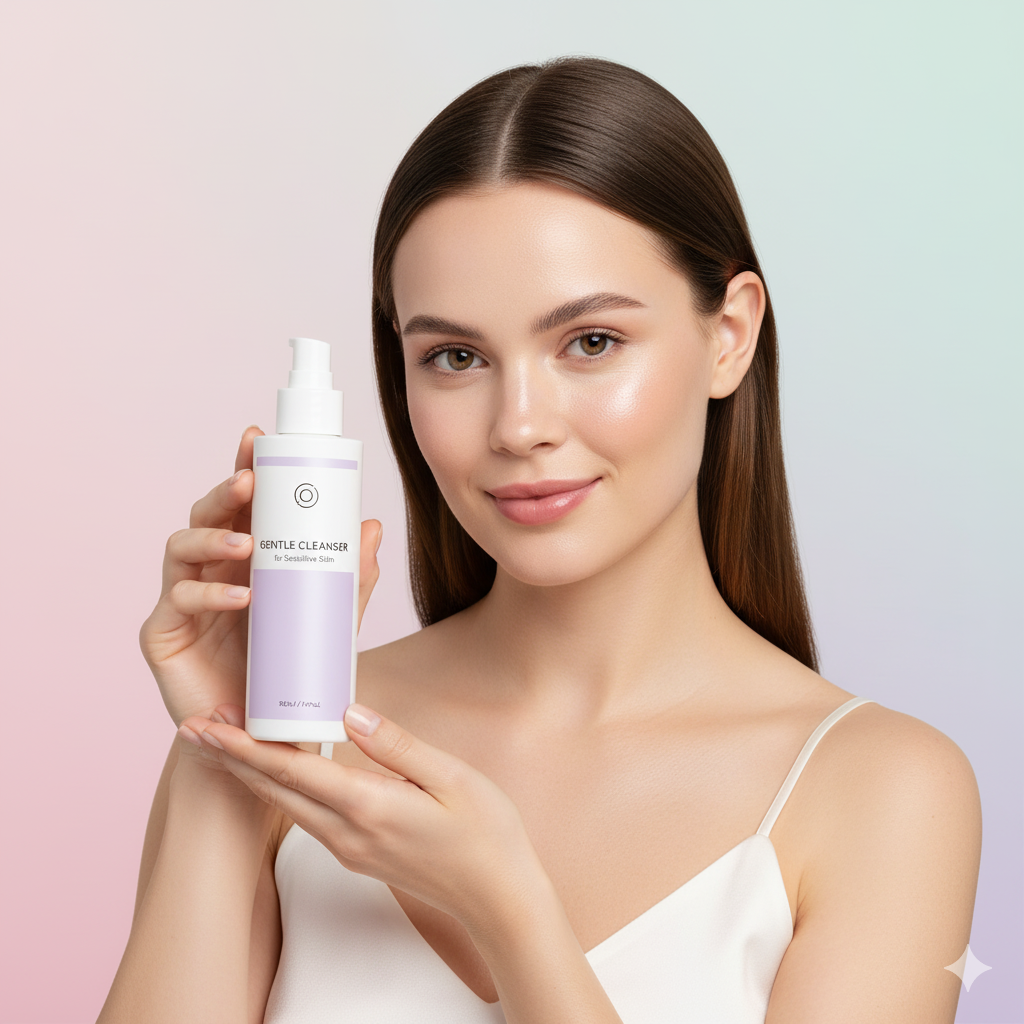
Image upload karo aur alt: "gentle cleansers for sensitive skin no redness 2026".

Why Gentle Cleansers Are Important

Sensitive skin needs extra care. Regular foaming cleansers containing SLS (Sodium Lauryl Sulfate) strip away natural oils, causing irritation and tightness.

Benefits of gentle cleansers:

  • Protect the skin barrier

  • Reduce dryness and redness

  • Safe for daily use

  • Keep skin balanced and hydrated long-term


How to Choose a Gentle Cleanser

When picking a cleanser for sensitive skin, check for these qualities:

  • Sulfate-free formula

  • Hydrating ingredients (like glycerin, hyaluronic acid)

  • Soothing botanicals (such as aloe vera, chamomile, green tea)

  • Fragrance-free (fragrances can irritate)

  • Dermatologist-tested

Top 7 Gentle Cleansers for Sensitive Skin

CeraVe Hydrating Cleanser

  • Contains ceramides and hyaluronic acid

  • Restores the skin barrier

  • Non-foaming, very mild

  • Great for dry and sensitive skin


La Roche-Posay Toleriane Hydrating Gentle Cleanser

  • Soap-free and fragrance-free

  • Infused with prebiotic thermal water

  • Cleans without overdrying

  • Dermatologist-approved for sensitive skin


Vanicream Gentle Facial Cleanser

  • Free from fragrance, dyes, parabens, formaldehyde

  • Ideal for sensitive and allergy-prone skin

  • Light texture that hydrates while cleansing


 Cetaphil Gentle Skin Cleanser

  • A dermatologist favorite for decades

  • Non-irritating, soap-free formula

  • Can be used with or without water

  • Works well for both sensitive and combination skin


Neutrogena Ultra Gentle Hydrating Cleanser

  • Creamy, non-foaming texture

  • Enriched with pro-vitamin B5 for nourishment

  • Best for extremely dry and sensitive skin


Avene Extremely Gentle Cleanser Lotion

  • Specially made for hypersensitive and redness-prone skin

  • Contains parcerine to calm irritation

  • Soap-free and fragrance-free

  • Can be used without rinsing for extra gentle care


Eucerin Sensitive Skin Gentle Hydrating Cleanser

  • Enriched with gluco-glycerol for moisture

  • Maintains natural pH balance

  • Gentle enough for daily use without irritation


How to Use a Gentle Cleanser Properly
  1. Wet your face with lukewarm water

  2. Apply a pea-sized amount of cleanser and massage gently for 30–60 seconds

  3. Rinse with cool or normal water

  4. Pat dry with a soft towel (avoid rubbing)

  5. Follow up with a light moisturizer to lock in hydration


Conclusion

Choosing the right cleanser makes a huge difference for sensitive skin. A harsh face wash can worsen irritation, while a gentle, sulfate-free cleanser keeps the skin calm, smooth, and healthy.

The above 7 cleansers are dermatologist-tested and among the safest options available. If you switch to one of these for even a month, you’ll likely notice your skin becoming softer, clearer, and more balanced.

skincare Basics

Irritation and redness

Irritation and Redness: Causes, Symptoms, and Relief

What Is Skin Irritation and Redness?

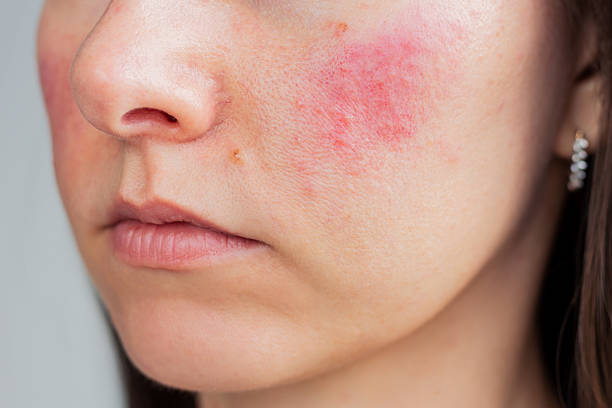
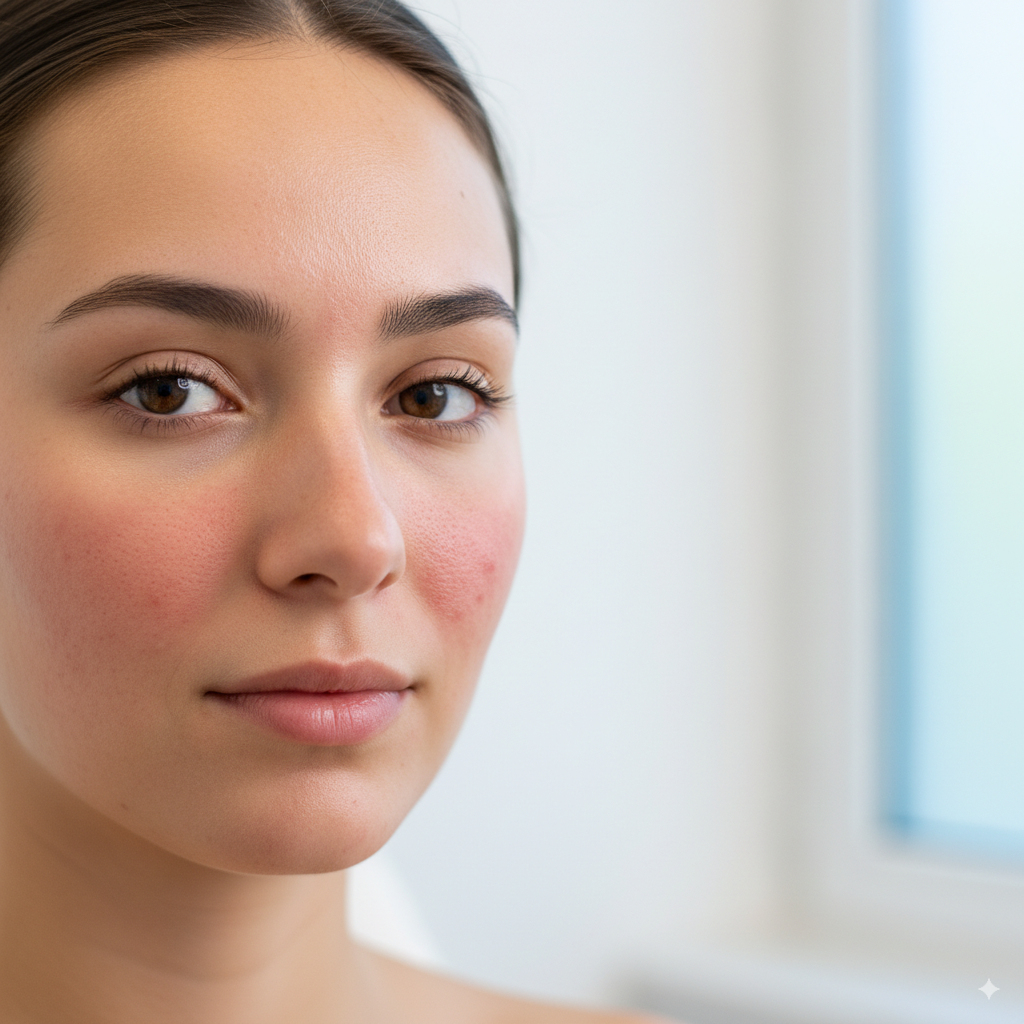
Skin irritation occurs when your skin reacts to external or internal triggers, resulting in discomfort, itching, or a burning sensation. Redness develops when blood vessels under the skin surface dilate due to inflammation. These two concerns often appear together, signaling a weakened skin barrier that requires extra care.

Close-up image of a woman’s face showing mild skin irritation and redness on cheeks.

5 Common Causes of Skin Irritation and Redness

Skin irritation doesn’t come from one source—it can be triggered by multiple factors, such as:

  • Harsh skincare products – cleansers with sulfates, alcohol-based toners, or strong fragrances.

  • Weather changes – extreme heat, cold winds, or low humidity levels.

  • Allergic reactions – food allergies, fabrics, or chemicals in cosmetics.

  • Medical conditions – eczema, rosacea, or psoriasis often cause persistent redness.

  • Lifestyle choices – poor diet, smoking, lack of sleep, or stress can worsen irritation.

Key Symptoms to Watch For

Identifying early symptoms helps in avoiding complications. Look out for:

  • Dryness and tightness after cleansing

  • Burning or stinging sensation when applying skincare

  • Flaky, rough, or uneven patches

  • Persistent redness, even without makeup

  • Swelling or unexpected breakouts

  • Sensitivity that increases with weather or product changes

Natural Remedies for Irritation and Redness

If you prefer gentle, at-home solutions, natural remedies can help calm irritation and redness:

  • Aloe Vera Gel – Its cooling effect soothes burning sensations and restores hydration.

  • Green Tea Extract – Rich in antioxidants, it reduces redness and inflammation.

  • Oatmeal Masks – Help lock in moisture and reduce itchiness.

  • Chamomile Compress – Provides a calming effect on sensitive skin.

These remedies are safe for most skin types, but always perform a patch test before applying them to your face.

How to Alleviate Irritation and Redness

1. Switch to Gentle Products

Use a sulfate-free cleanser and fragrance-free skincare. Ingredients like aloe vera, chamomile, and oat extract soothe irritation.

2. Moisturize Properly

Moisturizers with ceramides, glycerin, and hyaluronic acid help repair the skin barrier and lock in hydration.

3. Protect with Sunscreen

UV rays damage the skin and worsen redness. A broad-spectrum SPF 30 or higher is essential every day.

4. Avoid Triggers

Stay away from hot showers, harsh scrubs, and spicy foods. These can worsen irritation.

5. Try Natural Remedies

Cold compresses, green tea extract, or cucumber masks calm inflamed skin instantly.

Preventive Skincare Tips

  • Always patch-test new products

  • Avoid hot showers

  • Use fragrance-free moisturizers

  • Keep skin barrier strong with ceramides

Natural Remedies for Skin Irritation and Redness

  • Aloe vera gel

  • Green tea extract

  • Coconut oil (for mild irritation)

  • Chamomile compress

When to Seek Dermatologist Help

Consult a doctor if:

  • Irritation continues for more than two weeks

  • Redness spreads to larger areas of your face or body

  • Painful swelling, pus, or infections appear

  • Over-the-counter skincare fails to improve the condition

A dermatologist may suggest medicated creams, barrier-repair treatments, or lifestyle adjustments based on your skin type.

Preventing Future Flare-Ups

  • Stick to a consistent skincare routine with mild products.

  • Drink enough water to maintain hydration.

  • Get 7–8 hours of sleep for skin repair.

  • Reduce stress through yoga, meditation, or deep breathing.

  • Always patch-test new skincare products before using fully.

Final Thoughts

Skin irritation and redness are frustrating but manageable issues. By understanding the 7 most common causes—from harsh products to medical conditions—you can make smarter choices for your skincare. Focusing on gentle cleansers, proper hydration, sun protection, and lifestyle improvements will help reduce redness and restore balance.

If symptoms persist despite trying these fixes, consulting a dermatologist is the safest way forward. With the right care, you can calm irritation, strengthen your skin barrier, and enjoy healthier, glowing skin.

skincare Basics

Barrier Disruption

Barrier Disruption

The skin barrier represents the outermost layer of the skin, primarily composed of lipids and cells that retain moisture and shield against bacteria, pollution, and irritants. When this barrier sustains damage, the skin becomes susceptible, resulting in dryness, redness, irritation, and potentially acne flare-ups. This phenomenon is referred to as barrier disruption.

What Is Barrier Disruption?

Barrier disruption occurs when the protective layer of the skin deteriorates. Rather than serving as a robust defense, the skin becomes permeable, resulting in dryness, redness, irritation, and potentially breakouts.

A healthy barrier maintains your skin’s softness, plumpness, and resilience. Conversely, a compromised barrier has difficulty retaining moisture, leading to dehydration and increased sensitivity.

lit. Ut elit tellus, luctus nec ullamcorper mattis, pulvinar dapibus leo.

What Leads to Barrier Disruption?

Various elements can compromise your skin’s inherent defense mechanisms:

Aggressive Cleansers →

Components such as Sodium Lauryl Sulfate (SLS) remove essential oils.

Excessive Exfoliation →

The frequent use of scrubs or acids.

Environmental Factors →

Pollution, ultraviolet rays, and severe weather conditions.

Potent Active Ingredients →

 Retinoids, benzoyl peroxide, and strong acids are used without an appropriate balance.

Lifestyle Influences →

Stress, inadequate sleep, and an unhealthy diet.

Indicators and Manifestations of Barrier Disruption

Identifying the signs promptly can avert prolonged skin complications. Symptoms encompass:

  • Ongoing dryness and a feeling of tightness

  • Redness and inflammation following the application of products

  • Heightened sensitivity or a stinging feeling

  • Abrupt acne eruptions despite adhering to a consistent regimen

  • Flaky or uneven texture that does not enhance with standard moisturizer

How to Repair and Strengthen a Damaged Barrier

The positive aspect is that disruption of the barrier can be mended through appropriate skincare practices.

Switch to Gentle Cleansers

Utilize sulfate-free, pH-balanced cleansers that cleanse without removing natural oils.

Moisturize Regularly

Seek moisturizers that include ceramides, hyaluronic acid, and glycerin to replenish hydration and rebuild the barrier.

Avoid Over-Exfoliation

Restrict the use of exfoliating products to 1–2 times per week and allow your skin to have recovery days.

Add Barrier-Strengthening Ingredients

Integrate niacinamide, squalane, and panthenol to soothe and fortify the skin barrier.

Protect with Sunscreen

Consistent application of broad-spectrum SPF safeguards against UV rays that could further compromise the barrier.

Long-Term Prevention Strategies

Preserving a robust skin barrier is simpler than restoring a compromised one. Consider the following recommendations:

Ensure you consume sufficient water each day to remain hydrated.

Opt for fragrance-free products that are non-irritating.

Follow a balanced diet abundant in omega fatty acids, vitamins, and antioxidants.

Engage in stress management techniques such as meditation, yoga, or physical exercise.

Final Reflections

Disruption of the skin barrier is a prevalent factor contributing to skincare issues, yet it frequently goes unnoticed. If you notice that your skin is persistently dry, sensitive, or prone to breakouts, it is likely that your skin barrier requires restoration. By incorporating mild cleansers, moisturizing agents, and protective components into your routine, you can rejuvenate your skin’s natural barrier and achieve a clear, healthy, and luminous complexion.